Exchange rates
EUR & USD to local currency
Loading reference rates…
Europe · World Simple News country guide
Bulgaria now uses the euro. Choose between Sofia, Plovdiv and Varna by the full housing bill and the journeys you will repeat: an airport metro connection, a city ticket and an intercity train are different purchases.
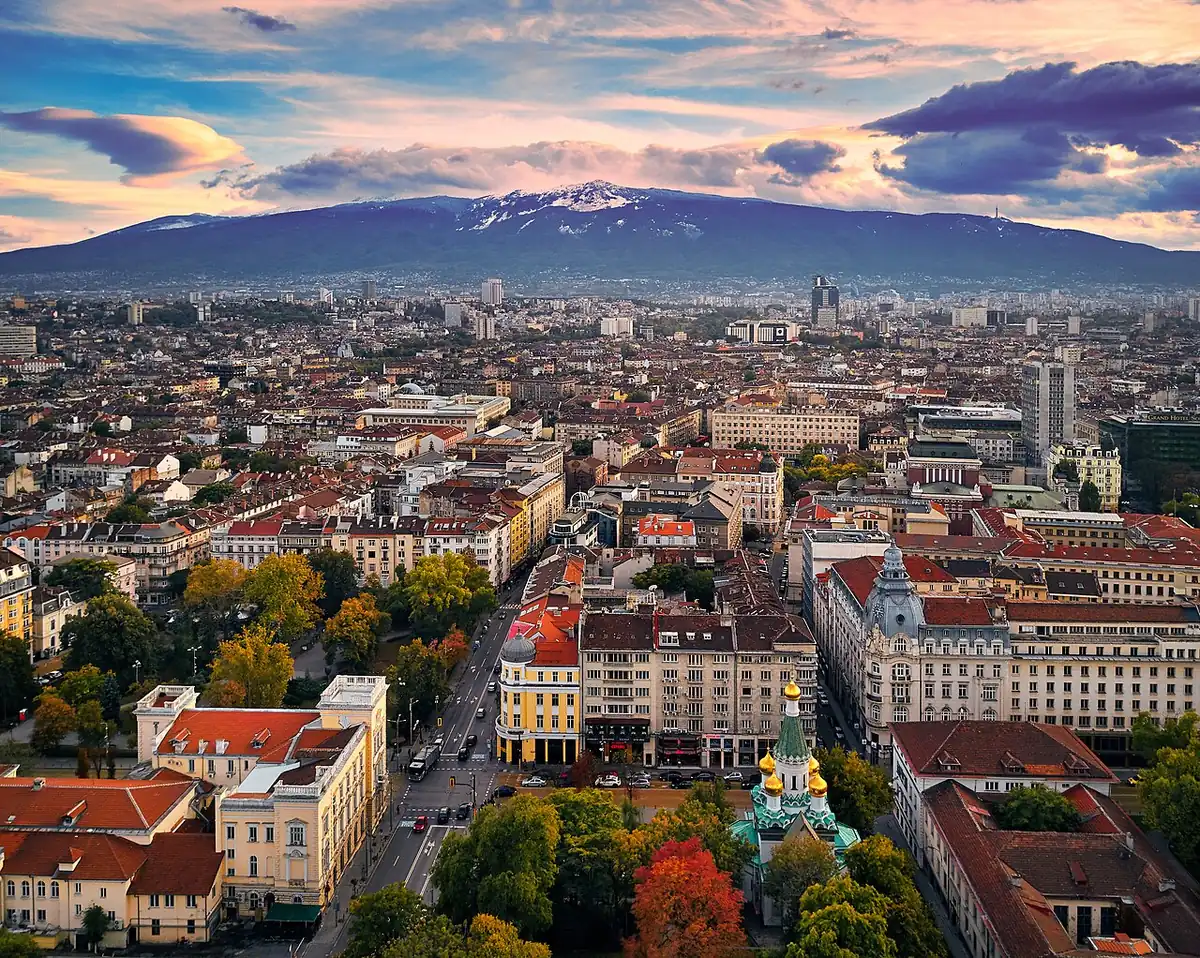 Sofia, Bulgaria
Before you go
Check your spending currency and the next few days before making plans.
EUR & USD to local currency
Loading reference rates…
A city forecast, never a country-wide average.
Loading the city forecast…
Getting there
Choose your base
Best for: An airport-connected home near the metro, tram or bus routes you use regularly.
Watch: A bank-card daily cap and a rolling 24-hour pass have different validity; keep using the same payment method.
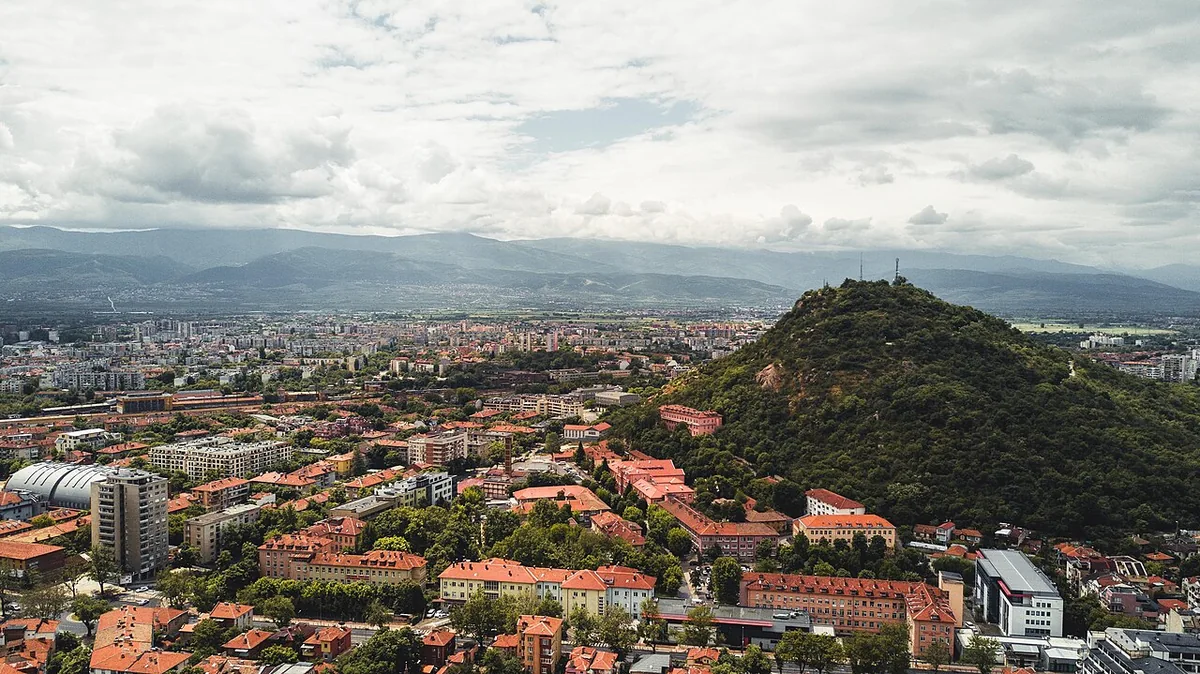
Best for: A smaller-city routine planned around the municipal bus map and walking routes.
Watch: Check the actual bus stop and evening return; a Sofia ticket does not cover local travel here.
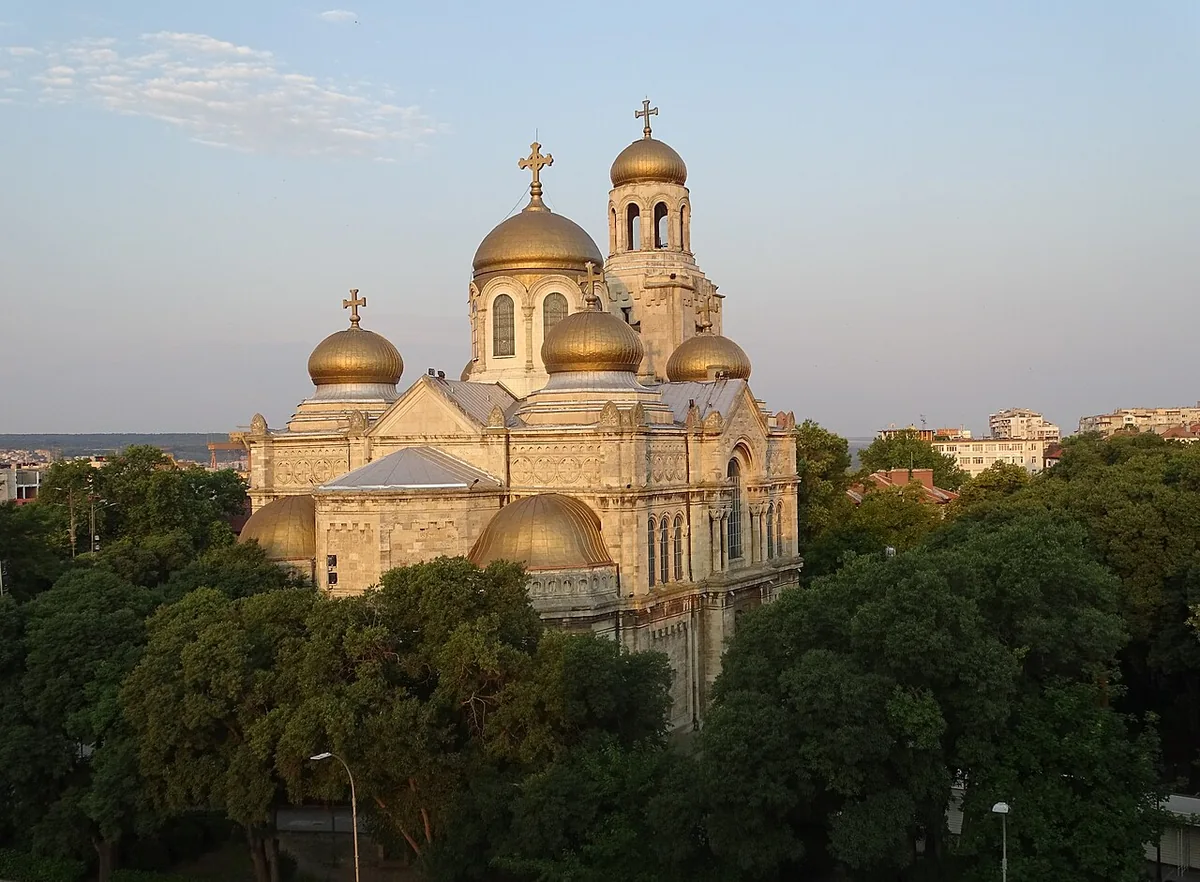
Best for: A coastal city base with bus 409 serving the airport and city centre.
Watch: Confirm a rental's full-year dates and the current bus departure, rather than treating a summer offer as an annual lease.
01
Bulgaria adopted the euro on January 1, 2026, at the fixed conversion rate of €1 to 1.95583 Bulgarian lev. An older listing or transport article quoted only in lev needs a date check. Put current rent, the deposit, any agency charge and utilities into one euro budget, while keeping refundable money separate from the monthly cost of living.
Before paying for a longer booking, request a written agreement with the exact address, occupancy dates, notice terms and a breakdown of included charges. Ask for recent winter heating and electricity bills for that apartment, meter readings and the inventory. For Varna, ask explicitly whether the same price and occupancy continue through summer. These are comparison questions, not a claim that every Bulgarian lease has identical fees.
02
EU citizens can enter with a valid identity card or passport. Bulgaria's government guidance says those planning a longer stay must apply for a residence certificate within three months of entry. Use the Migration Directorate's requirements for your category, such as employment, study or sufficient resources, rather than assuming a rental contract by itself completes registration.
For other travellers, check the Foreign Ministry's visa guidance against your passport and existing status. Bulgarian short stays count towards the Schengen limit of 90 days in any 180-day period where that limit applies; crossing into Bulgaria does not start a separate allowance. A long-stay visa D is a different category. Establish the appropriate residence and work route before committing to a job or a non-refundable lease.
03
The airport metro station is beside Terminal 2. Arriving at Terminal 1 adds the airport's free inter-terminal shuttle to the journey; allow for its current departure schedule as well as the ride. Compare the complete route to your accommodation, including any change and the final walk with luggage. Check the first or last metro for your actual flight time.
Airport bus 84 serves both terminals and central Sofia, providing another option when its stops fit your destination. A longer trip on the same vehicle does not automatically require a second 30 Plus ticket: the transfer window concerns when you make another validation. For a late arrival, check the airport's current N4 night-bus information separately instead of assuming the daytime metro runs all night.
04
Sofia's 30 Plus ticket costs €0.80 and permits transfers during the first 30 minutes after initial validation. Validate on each vehicle or at the metro entry barrier; a final validation within the window lets you finish that journey. With bank-card payment, use the same card or device for each tap. One bank card validates only one passenger, so a travelling group needs separate payment arrangements.
More than two chargeable 30 Plus tickets paid with the same bank card aggregate to a €2.00 daytime daily pass; continue tapping even after reaching the cap. This is not a rolling 24-hour ticket. The separately purchased €3.00 24-hour card starts at its purchase time and includes night transport. Compare those different time windows with your arrival and next-day plans before buying extra passes.
05
Plovdiv's municipal tourism site links a public-transport map and virtual departure display. Use them to compare a proposed address with work, the railway station and the evening trip home. A pleasant walk in the old town is not a substitute for checking the whole daily route. Confirm the local ticket and payment method before boarding; Sofia's bank-card cap is not a national transport product.
For Varna, the municipal visitor site identifies airport bus 409 outside Terminal 2 Arrivals, serving the central bus station and cathedral area. Check the current timetable and direction rather than budgeting a guaranteed transfer time. For journeys between Bulgarian cities, use BDZ's date-specific planner and booking system, allowing separately for transport to the departure station and from the arrival station to the home.
Last updated 2026-10-25
Rules change. Use these references as a starting point and recheck time-sensitive information with the competent official authority.
Use anywhere
Build a comparable personal basket, separate cash needed from monthly spending, and test the result against real housing offers.
Read guideA cash-flow method for deposits, overlapping accommodation, delayed income and the first three months abroad.
Read guideChoose a usable neighbourhood and apartment by testing an ordinary week, exact-date housing and a realistic return journey.
Read guideTwelve checks covering the payable total, tied-up cash and the extra spending caused by a rental's location or facilities.
Read guide