Exchange rates
EUR & USD to local currency
Loading reference rates…
Europe · World Simple News country guide
Italy rewards city-level planning. Rome, Milan and Bologna differ in rent, transit, pace and job access, and the digital-nomad route is aimed at highly specialised non-EU remote workers.
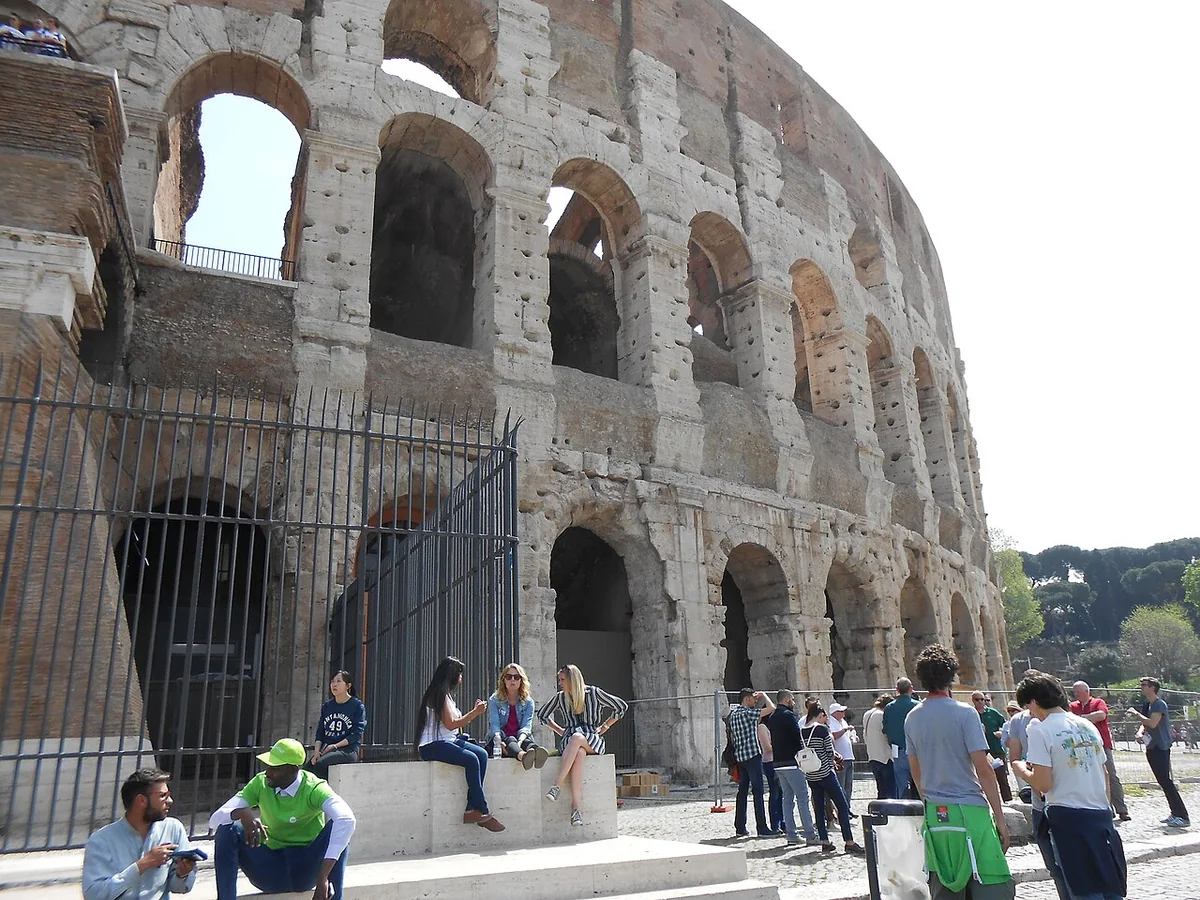 Rome, Italy
Before you go
Check your spending currency and the next few days before making plans.
EUR & USD to local currency
Loading reference rates…
A city forecast, never a country-wide average.
Loading the city forecast…
Getting there
Answer a specific question
A practical route finder for foreign newcomers: existing immigration records, AA4/8 applications in Italy, consular limits abroad, documents and checks before renting or starting work.
Read guideChoose the airport train for your actual Rome address, compare family and group fares, and understand paper tickets, automatic digital validation and late-arrival backups.
Read guideChoose your base
Best for: History, government services and a huge urban footprint.
Watch: Commute time matters more than map distance; rail and metro access can save hours each week.
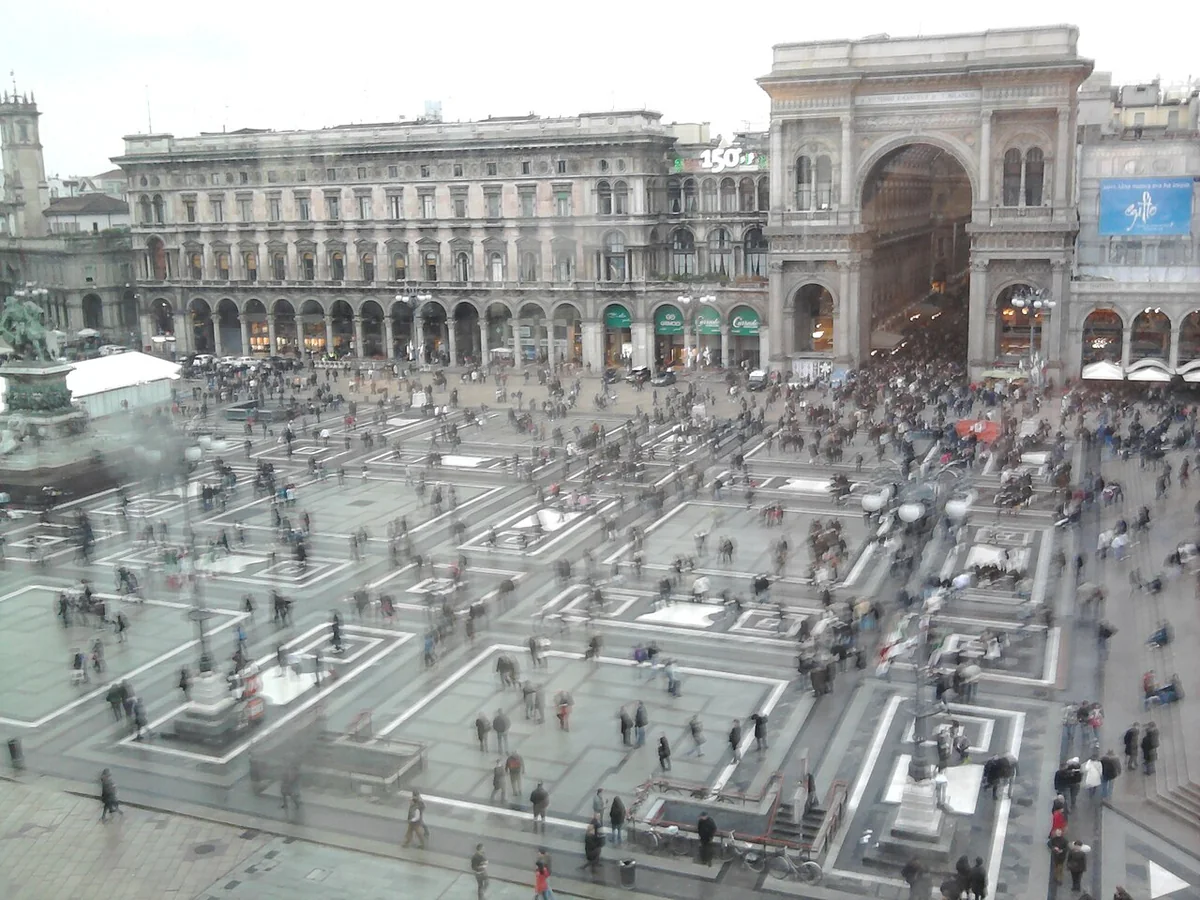
Best for: Business, international links and the strongest corporate job market.
Watch: Housing is expensive; compare outer metro districts before assuming the center is necessary.
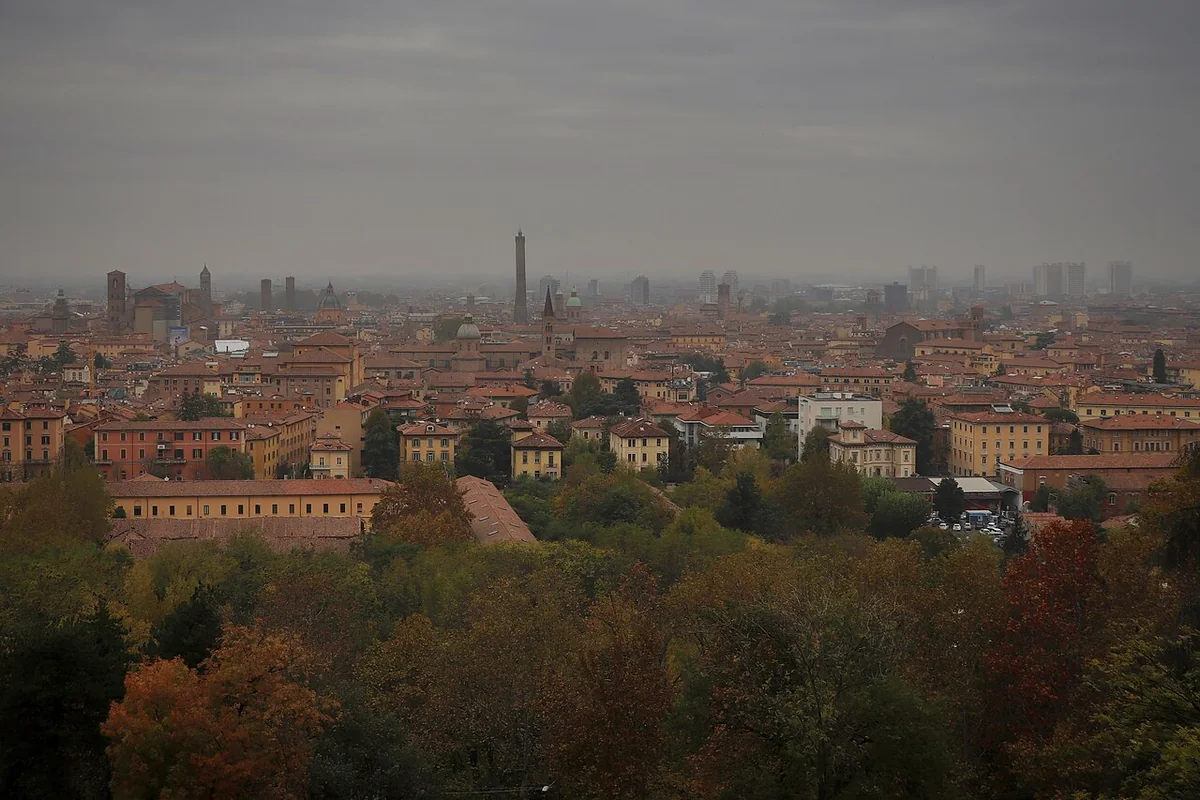
Best for: Compact university city life and excellent rail connections.
Watch: Student demand can tighten the rental market around academic periods.
01
Milan housing can dominate the budget, while Bologna and Rome create different transport and neighborhood tradeoffs. Compare real listings in the districts you would actually use, then add utilities, groceries, mobile data and regional travel.
For long stays, the value of a cheaper apartment depends on how easily it connects to your workday. A direct metro or regional-rail line can beat a more central but awkward location.
02
Italy's 2026 consular guidance describes a digital-nomad and remote-worker visa for non-EU citizens who can perform highly specialised work remotely. Independent professionals fall under the digital-nomad category; employees working fully remotely fall under the remote-worker category.
Qualification, income, insurance, accommodation and work-history evidence matter. Use the Italian consulate responsible for your residence to confirm the current checklist before applying.
03
Italy's national rail network can make weekend and business travel between Rome, Florence, Bologna, Milan and other major cities easier than car ownership. Price your actual route frequency before buying passes or choosing housing around a station.
Last updated 2026-10-08
Rules change. Use these references as a starting point and recheck time-sensitive information with the competent official authority.
Use anywhere
A practical route finder for foreign newcomers: existing immigration records, AA4/8 applications in Italy, consular limits abroad, documents and checks before renting or starting work.
Read guideChoose the airport train for your actual Rome address, compare family and group fares, and understand paper tickets, automatic digital validation and late-arrival backups.
Read guideBuild a comparable personal basket, separate cash needed from monthly spending, and test the result against real housing offers.
Read guideA cash-flow method for deposits, overlapping accommodation, delayed income and the first three months abroad.
Read guide