Exchange rates
EUR & USD to local currency
Loading reference rates…
Europe · World Simple News country guide
Norway's practical starting points are a protected rental deposit, the right UDI route and a transport plan for your address. Oslo's airport trains have different ticket coverage; Bergen's light rail and Trondheim's rail–bus connections can change where you choose to live.
 Oslo, Norway
Before you go
Check your spending currency and the next few days before making plans.
EUR & USD to local currency
Loading reference rates…
A city forecast, never a country-wide average.
Loading the city forecast…
Getting there
Answer a specific question
Decide whether a tent site is actually permitted in mainland Norway, with practical checks for private land, drinking-water restrictions, campervans, fires and waste.
Read guideChoose your base
Best for: Building a daily routine around Ruter's metro, tram, bus and rail network.
Watch: Check both the zones and train operator for airport trips; Ruter tickets do not cover Flytoget.
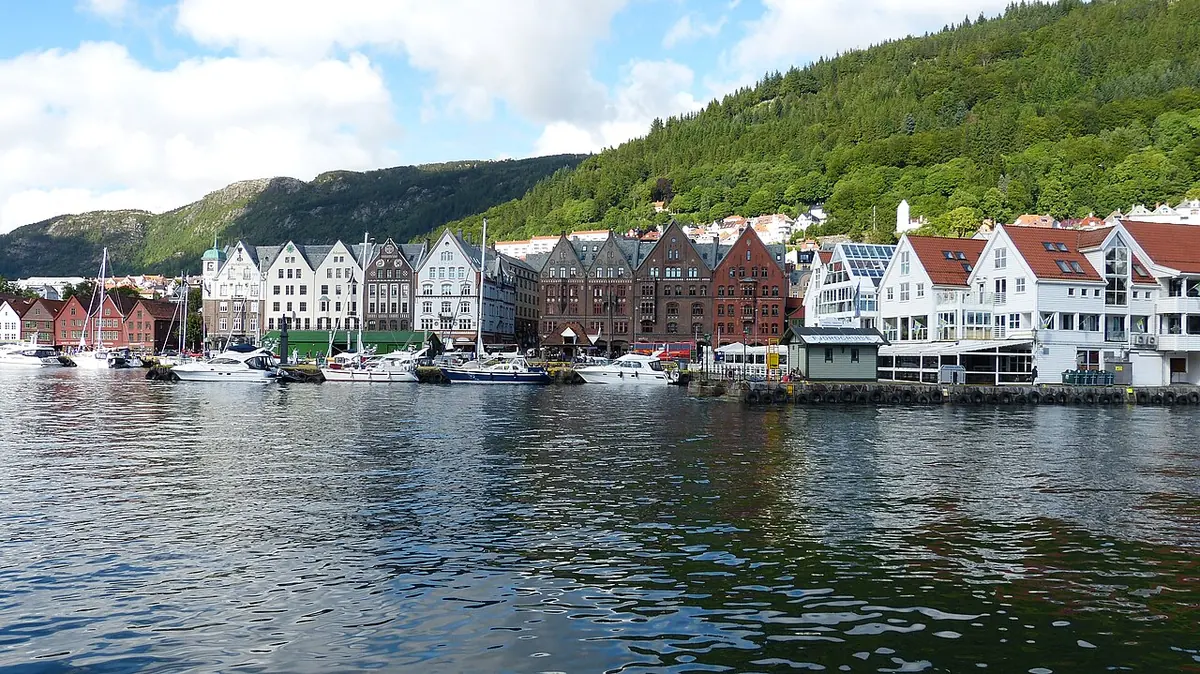
Best for: An airport-connected base along the Line 1 light-rail corridor.
Watch: Test the walk from the stop in wet weather, and distinguish airport Line 1 from Fyllingsdalen Line 2.

Best for: Combining a city bus routine with SJ trains in AtB's zone A.
Watch: The airport express has separate tickets; AtB's ordinary airport buses have limited luggage space.
01
Ask for a written tenancy contract and read the duration, termination terms and responsibilities before signing. Norway recognises verbal rental agreements, but either party can require a written one. Record what the rent includes and agree the payment and key-handover dates. Use those dates to budget temporary accommodation, the first rent payment and the deposit as separate demands on your available money.
An agreed deposit belongs in a locked bank account in the tenant's name. The landlord pays the account-opening cost, and the deposit cannot exceed six months' rent. Do not pay it in cash to the landlord or transfer it into their ordinary account. Confirm the account-opening process before promising a move-in date; money tied up in a deposit is unavailable for your first weeks of living costs.
02
Start with UDI's nationality and purpose questions. Work, study and family immigration have different requirements, while EU/EEA and Nordic citizens have their own routes. On the work-immigration route, UDI normally expects you to find a job first; the appropriate permit depends on your qualifications and the work proposed. Check your actual category before committing to a lease or employment start date.
Treat a D number as an administrative identifier, not permission to live or work in Norway. The Tax Administration says you cannot apply for one directly: an eligible authority or enterprise requests it when needed. If an ID check is required, book the appointment. Keep the immigration decision and the identity-number process as separate items in your arrival plan.
03
Plan the airport journey to your actual front door before buying a ticket. Ruter single tickets cover its buses, trams, metro and ferries, plus Vy trains in Oslo and Akershus within the ticket's coverage. Ruter tickets are not valid on Flytoget, including all-zone period tickets. An airport-train departure and a city journey therefore need an operator and zone check, even when both serve Oslo Central Station.
For rental comparisons, enter the address and your repeated destinations in the journey planner. Include the walk to the stop and every transfer, then check the zones needed for that routine. Decide on a period ticket around those journeys; assess airport trips separately instead of assuming that the pass you use around town covers every train you see.
04
Skyss Line 1 links Bergen centre with Bergen Airport, while Line 2 runs between the centre and Fyllingsdalen terminal. A listing near a light-rail stop deserves a route check: establish which line serves it and whether reaching your destination requires a change. Consult the current timetable for your arrival time and the trips you expect to repeat.
Bergen's rain makes the last part of the journey worth inspecting. Walk from the stop to the property and nearest grocery shop, looking at exposed stretches, steps and gradients. Budget waterproof shoes and outerwear, and check where wet clothing can dry inside the rental. Compare homes by how the whole route works on an ordinary wet weekday, alongside the view and advertised distance from the centre.
05
AtB sells tickets for SJ train journeys within zone A, including Trondheim–Værnes, with bus transfers in that same zone on single and period tickets. Værnesekspressen uses separate tickets and does not accept AtB tickets. Ordinary AtB airport buses stop along the airport approach road and have limited luggage space; AtB recommends the train or airport express for travellers carrying luggage.
Use the AtB planner and real-time departures to compare arrival options with the final journey to your accommodation. During the first week, test the same home-to-work or campus route at the hours you will use it, including the trip back. Put viewings and any identity-check appointment into that route plan before choosing a longer lease or transport pass.
Last updated 2026-10-24
Rules change. Use these references as a starting point and recheck time-sensitive information with the competent official authority.
Use anywhere
Decide whether a tent site is actually permitted in mainland Norway, with practical checks for private land, drinking-water restrictions, campervans, fires and waste.
Read guideBuild a comparable personal basket, separate cash needed from monthly spending, and test the result against real housing offers.
Read guideA cash-flow method for deposits, overlapping accommodation, delayed income and the first three months abroad.
Read guideChoose a usable neighbourhood and apartment by testing an ordinary week, exact-date housing and a realistic return journey.
Read guide